The options, the benefits, the risks & everything in between
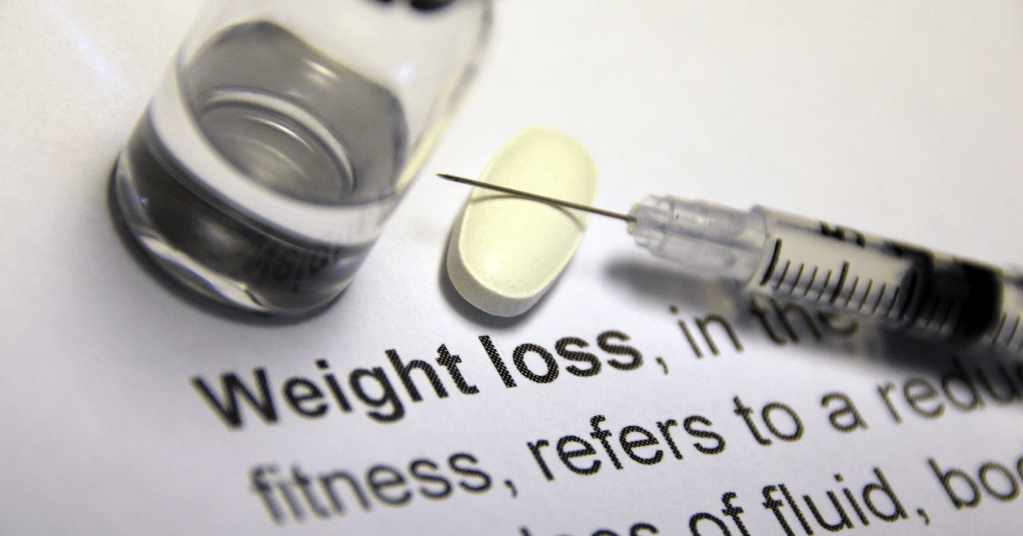
With the increasing popularity of injectable weight loss medications such as Ozempic (semaglutide), it’s crucial to have a comprehensive understanding of the various weight loss treatments available. Understanding all options—along with their risks, sustainability, and overall impact on health—is key to making informed decisions about weight management.
Injectable Weight Loss Medications
Semaglutide (Ozempic, Wegovy)
Semaglutide is primarily prescribed for type 2 diabetes management but has also shown significant promise in aiding weight loss. It belongs to a class of medications known as GLP-1 receptor agonists, which mimic the hormone GLP-1 to regulate blood sugar levels, suppress appetite, and delay gastric emptying. This combination of effects can help reduce calorie intake and promote weight loss.
Liraglutide (Saxenda)
Similar to Semaglutide, Liraglutide is another GLP-1 receptor agonist used for both diabetes management and weight loss. It helps control appetite and slows gastric emptying, making individuals feel fuller for longer periods.
Tirzepatide (Mounjaro)
Tirzepatide is a newer entrant in the weight loss medication market, also falling under the GLP-1 receptor agonists category. It has shown effectiveness in reducing body weight by acting on multiple pathways involved in glucose metabolism and appetite regulation.
The Ozempic Trend
What is Ozempic?
Ozempic is a brand name for Semaglutide, initially designed to manage type 2 diabetes. However, its weight loss benefits have made it popular beyond its original use. Ozempic, along with Liraglutide (Saxenda) and Tirzepatide (Mounjaro), mimic the incretin hormone GLP-1, which helps regulate blood sugar by stimulating insulin release and inhibiting glucagon secretion after eating.
How Do These Injectable Drugs Aid in Weight Loss?
These drugs aid in weight loss through several mechanisms:
- Appetite Suppression: They act on brain receptors to reduce appetite, making individuals feel full sooner and reducing overall food intake.
- Delayed Gastric Emptying: They slow the emptying of the stomach, prolonging the feeling of fullness after meals and reducing meal frequency.
- Improved Insulin Sensitivity: By enhancing the body’s response to insulin, these medications help in better blood sugar control, indirectly affecting weight management.
Dangers and Side Effects
While effective, these medications are not without risks:
- Gastrointestinal Issues: Nausea, vomiting, diarrhea, and constipation are common side effects.
- Pancreatitis: There is a risk of inflammation of the pancreas.
- Thyroid Tumors: Animal studies have shown an increased risk of thyroid tumors, though it’s unclear if this applies to humans.
- Kidney Issues: Some users may experience worsened kidney function.
- Hypoglycemia: Low blood sugar can occur, especially when combined with other diabetes medications.
Adaptation and Plateau
Over time, the body may adapt to these medications, leading to:
- Receptor Downregulation: Reduced drug efficacy in appetite suppression and gastric emptying.
- Metabolic Adaptation: The body’s metabolism may slow down, stalling weight loss.
- Maintenance Dependency: Sustained use may be required to maintain weight loss, with a risk of weight regain if the medication is stopped.
Non-Injectable Weight Loss Medications
Beyond injectables, several oral medications can aid in weight loss. These include:
Orlistat (Xenical, Alli)
Orlistat works by inhibiting the enzyme that breaks down fats in your diet, reducing fat absorption and calorie intake. It is available both over-the-counter (Alli) and by prescription (Xenical).
Side Effects:
- Gastrointestinal Issues: Oily or fatty stools, frequent bowel movements, and possible leakage.
- Nutrient Absorption: Reduced absorption of fat-soluble vitamins (A, D, E, and K).
Dependency Issues:
- Long-term use can lead to dependency on the medication to maintain weight loss.
Phentermine-Topiramate (Qsymia)
This combination drug acts as an appetite suppressant (phentermine) and an anti-seizure/anti-migraine medication (topiramate). Together, they help reduce appetite and increase feelings of fullness.
Side Effects:
- Increased Heart Rate: Can cause heart palpitations and increased blood pressure.
- Mood Changes: Risk of depression, anxiety, and insomnia.
- Cognitive Effects: Memory issues and confusion.
Dependency Issues:
- Potential for abuse and dependence due to the stimulant effects of phentermine.
Naltrexone-Bupropion (Contrave)
Naltrexone is used for addiction disorders, while bupropion is an antidepressant. This combination works on the brain’s hunger and reward system to reduce appetite and food cravings.
Side Effects:
- Nausea and Vomiting: Common during initial stages of treatment.
- Mood Changes: Risk of depression and suicidal thoughts.
- Increased Heart Rate and Blood Pressure: Requires monitoring.
Dependency Issues:
- May require continuous use to maintain weight loss, leading to potential dependency.
Lorcaserin (Belviq)
Although recently withdrawn from the market due to cancer risk concerns, Lorcaserin worked by activating serotonin receptors to help you feel full after eating less.
Side Effects:
- Headaches and Dizziness: Commonly reported by users.
- Mood Changes: Risk of depression and suicidal thoughts.
- Heart Valve Issues: Potential risk observed in some studies.
Dependency Issues:
- The need for continuous use to maintain weight loss can lead to dependency.
The Reality of Weight Loss: A Holistic Approach
Weight loss is not a quick fix. When it is, it’s not sustainable. Managing weight and health is a lifelong process, but there are key areas to focus on. Stress management, intentional movement, and clean nutrition are crucial, along with monitoring gut, hormone, and metabolic health. This can all seem overwhelming, and often it seems simpler to choose a “magic pill.” My job as a health coach is to not tell you what to do, but to provide you with the knowledge and tools to choose the best option for yourself and your health.
If your weight is putting you at risk for diabetes, cardiovascular disease, or other comorbidities, it might be time to have a discussion with your doctor about alternative weight loss options because the benefits may outweigh the risks. If you’ve been struggling to lose 20-30 lbs, hitting plateaus and not sure where to go next, it’s time to address your overall functional health. Gastrointestinal health, hormone health, and metabolic health are all interconnected. Once the guessing game is out, we tackle these concerns while focusing on good movement, lowering stress, and eating anti-inflammatory, supportive foods.
Once again, this is not a quick fix, but a lifestyle change to lead to infinite health and a vibrant future.
Citations:
 KinfinityFit
Leave a comment